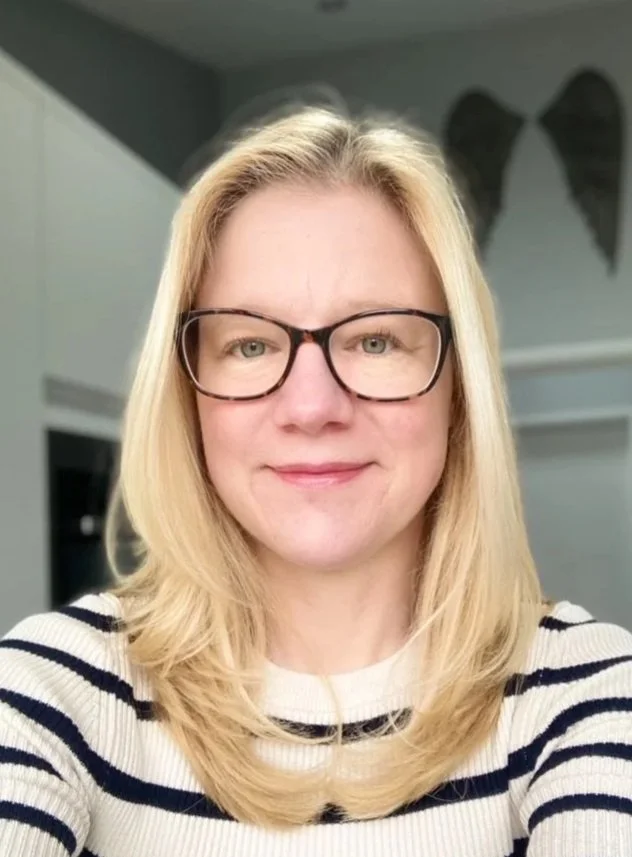
Hi, I’m Kellie, a Therapist who works with adults in Newcastle upon Tyne.
People often come to me when life feels heavy, confusing or too much. You might be feeling overwhelmed, low, anxious, burnt out, lonely, stuck, or trying to make sense of ADHD or autistic traits. Reaching out can feel like a big step, and it’s okay if you’re unsure where to begin — we can find the words together.
The aim is simple: for you to feel understood, supported and less alone as we gently explore what’s been happening in your life.
I offer a calm, confidential and compassionate space where you can talk at your own pace, without pressure or judgement.
My approach
Clients have described me as warm, compassionate and very human in the way I work. As a Humanistic Therapist, I work alongside you. Your experiences, your perspective and the way you make sense of the world are at the heart of our work together.
Therapy with me is never ‘one-size-fits-all’. Some people prefer open conversation, while others find gentle structure, creative tools, art, sand trays, miniatures or timelines helpful when feelings are tangled or hard to put into words. We can shape the sessions around what feels useful, comfortable and meaningful for you.
I believe you’re the expert in your own experience. My role is to offer a supportive space where we can explore your story with care, curiosity and respect, helping you build understanding, choice and a stronger sense of connection with yourself.
Neuro-Affirming Therapy
I work in a neuro-affirming way and welcome adults who are exploring, questioning or living with neurodivergence, including ADHD, autism, dyslexia and dyspraxia. You don’t need a diagnosis to bring these experiences into therapy.
Together, we can gently explore how you experience the world, what may feel difficult or exhausting, and what adjustments or ways of understanding yourself might support you. My intention is to offer a space that’s respectful, non-pathologising and responsive to your needs.
What we can expore together
I work with adults aged 18+ from all backgrounds, and all subjects are welcome in therapy. People may come with low mood, anxiety, depression, grief, bereavement, trauma, family concerns, low self-esteem, loneliness, burnout, or a sense of feeling stuck.
We can also explore the impact of past experiences, including how trauma can affect both mind and body, and how you might begin to respond to yourself with more compassion, understanding and choice.
Taking the next step…
If you feel ready to reach out, you’re very welcome to contact me. You don’t need to have everything worked out before beginning — we can take things gently, at your pace, and start from wherever you are.

PR Coverage
I’ve recently featured in an article by Business News North East.
The article talks about my professional journey so far, and gives more detail about my route into counselling and psychotherapy.
You can read it here.

My training, qualifications and experience
I work as an Adult Psychotherapist and Adult Psychotherapeutic Counsellor. I have completed seven years of study and training, alongside five years of voluntary client work from 2019 to 2024 with charities, including Grace House and The Toby Henderson Trust, as well as NHS settings across the North East.
I have been in private practice since June 2024. I hold a UKCP and BACP Accredited Diploma in Psychotherapeutic Counselling and a UKCP Accredited Diploma in Psychotherapy.
I am UKCP accredited and can be found in their directory.
Continual Professional Development, learning and updating my knowledge are important parts of my work. I’m especially passionate about neuro-affirming practice and non-pathologising ways of understanding emotional distress.
I have also attended a Mental Health First Aid course and am now a Mental Health First Aider (MHFAider®). This course teaches knowledge and skills for providing first aid to support people who may be experiencing poor mental health.
I can also be found in the Men’s Counselling Service directory.


I am also a member of

Supporting non-pathologising ways of understanding and responding to emotional distress.